 11
11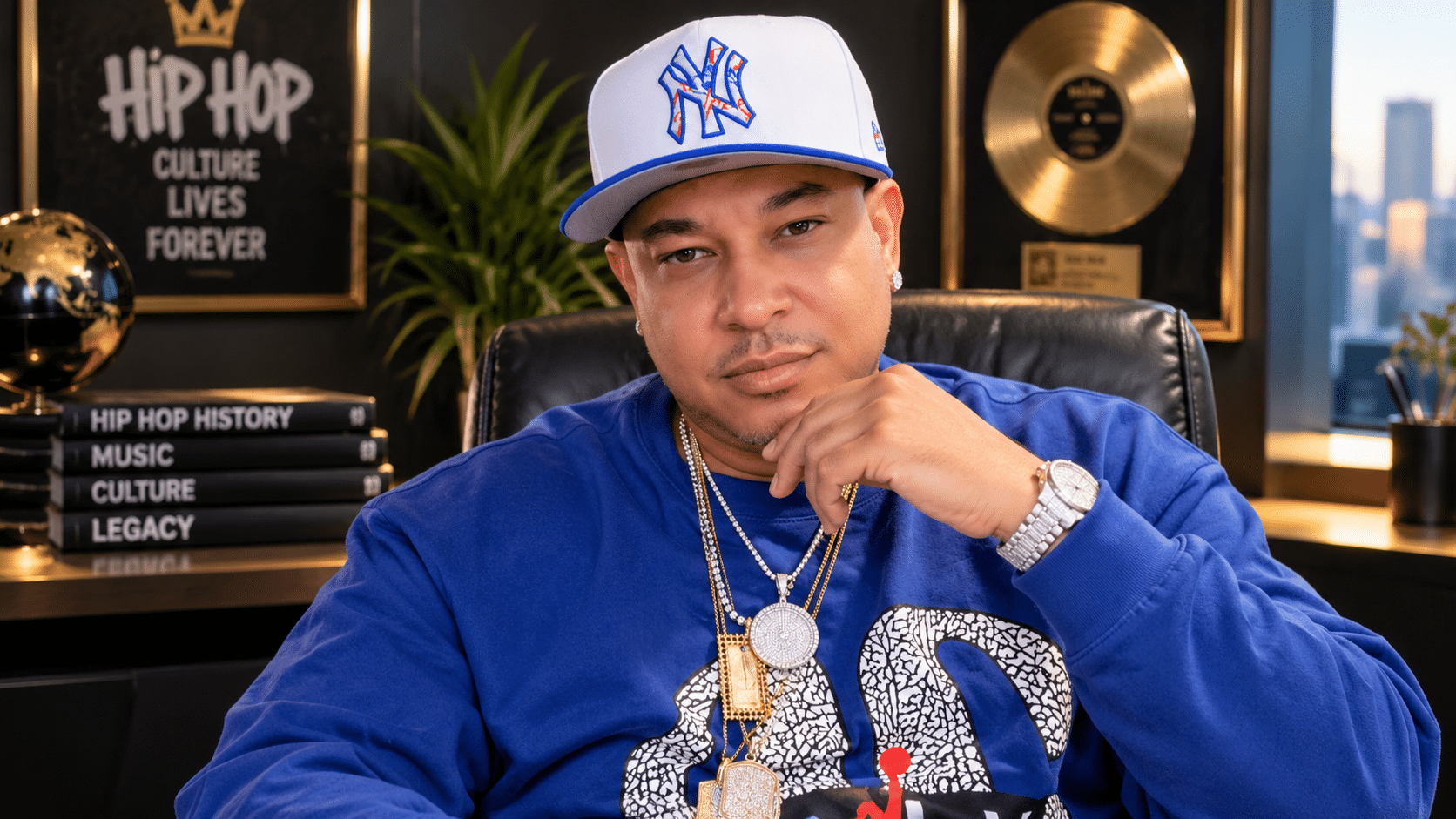
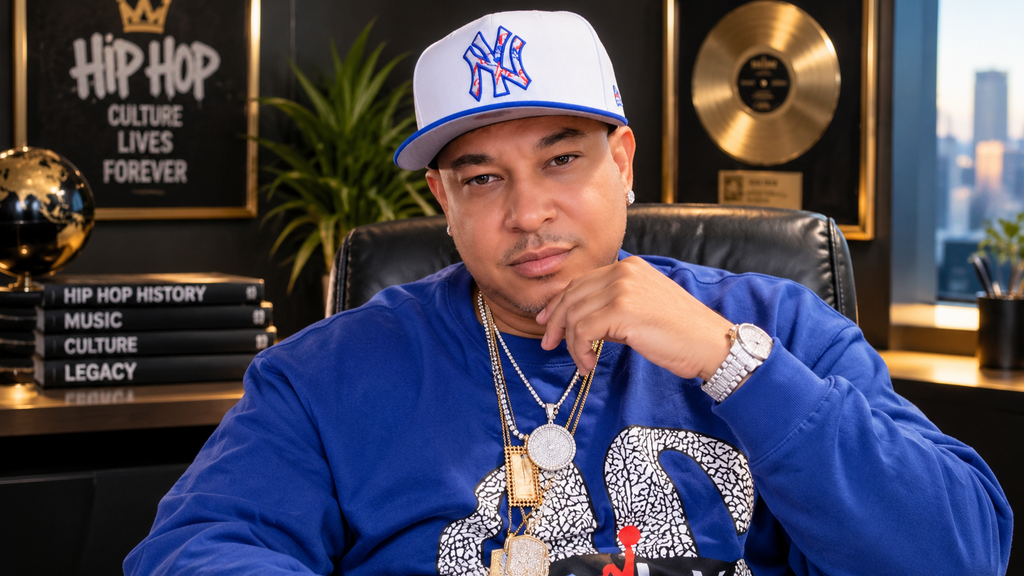
Hip-hop is more than a musical genre; it is a cultural movement built on creativity, community, storytelling, and self-expression. Behind its evolution are artists, collectors, historians, and cultural advocates who have worked to preserve its history for future generations. Geechie Dan, widely known as the “Tape God,” is one of the individuals whose journey reflects a deep commitment to hip-hop music and its cultural legacy.
From his early experiences growing up in Hollis and Hollis, Queens , to his leadership roles in hip-hop institutions, Geechie Dan has remained connected to the music and communities that helped shape the genre. His career combines a passion for collecting music, early experiences as an aspiring artist, radio broadcasting, and efforts to recognize hip-hop’s lasting influence.
Today, he serves as the Founder and CEO of Rap Music Hall of Fame International. His professional background also includes serving as Executive Director of the National Hip Hop Museum in Washington, D.C., and Co-Chairman of the Hip Hop Hall of Fame. Through these roles, he has contributed to the wider conversation about preserving and celebrating hip-hop history.
Geechie Dan’s story begins in Queens, New York, where he grew up in Hollis, Queens . These communities are closely associated with the development of hip-hop culture and have been home to influential artists, performers, and creative voices. Growing up in this environment helped establish his connection to the music and the cultural energy surrounding it.
Around 1983, he began collecting cassette tapes, developing an interest that would become a defining part of his identity. At a time when music collections played an important role in discovering artists and sharing sounds, collecting tapes offered a way to document the music that resonated with him.
His early involvement in hip-hop was not limited to collecting. He also spent time rhyming in neighborhood parks, experiencing the expressive and community-centered side of the culture. These informal environments gave aspiring performers opportunities to develop their skills, exchange ideas, and connect through music.
For Geechie Dan, these experiences became the foundation of a lifelong relationship with hip-hop. His early interest in music would eventually grow into a broader commitment to preserving the recordings, memories, and cultural history associated with the genre.
Before becoming known for his work in hip-hop preservation, Geechie Dan explored his own creative ambitions. His early experiences included recording music, demonstrating that his connection to hip-hop involved both participating in the culture and documenting it.
In 1987, he recorded a demo titled Let’s Dance with Public Records. This project represents an important moment in his early musical journey and reflects his interest in exploring the recording side of the industry.
Although his career later expanded into broadcasting, cultural leadership, and archival work, his experiences as an aspiring artist provided another perspective on the world of hip-hop. Understanding music from the standpoint of someone who collected tapes and pursued recording helped shape his appreciation for the people, sounds, and stories behind the genre.
His reputation as the “Tape God” is closely associated with his dedication to tape collecting. Cassette tapes have played a significant role in music history, particularly in communities where recordings circulated through personal collections, independent releases, and informal networks. They captured musical moments and creative expressions that could otherwise have been overlooked.
By maintaining a strong connection to this part of hip-hop culture, Geechie Dan represents the importance of collectors in preserving music history beyond commercial releases and mainstream recognition.
Geechie Dan’s professional journey extends beyond music collecting and his early recording experiences. He has also held leadership positions with organizations focused on recognizing and preserving hip-hop’s cultural contributions.
He previously served as Executive Director of the National Hip Hop Museum in Washington, D.C. The museum’s broader mission reflects the importance of documenting hip-hop as a cultural movement, recognizing its origins, and highlighting the people and creative expressions that have contributed to its development.
His experience in this role connected his passion for music history with institutional efforts to preserve cultural heritage. Museums and archives can help introduce younger generations to the foundations of hip-hop while giving longtime fans opportunities to revisit its evolution.
Geechie Dan also served as Co-Chairman of the Hip Hop Hall of Fame. This position further reflects his involvement in efforts to celebrate hip-hop’s artists, achievements, and influence. Recognition through cultural institutions can help ensure that the genre’s history is understood as more than a collection of popular songs. It is also a story of communities, innovation, artistic independence, and social expression.
Together, these leadership experiences form an important part of his professional background and demonstrate his continuing involvement in the preservation and recognition of hip-hop culture.
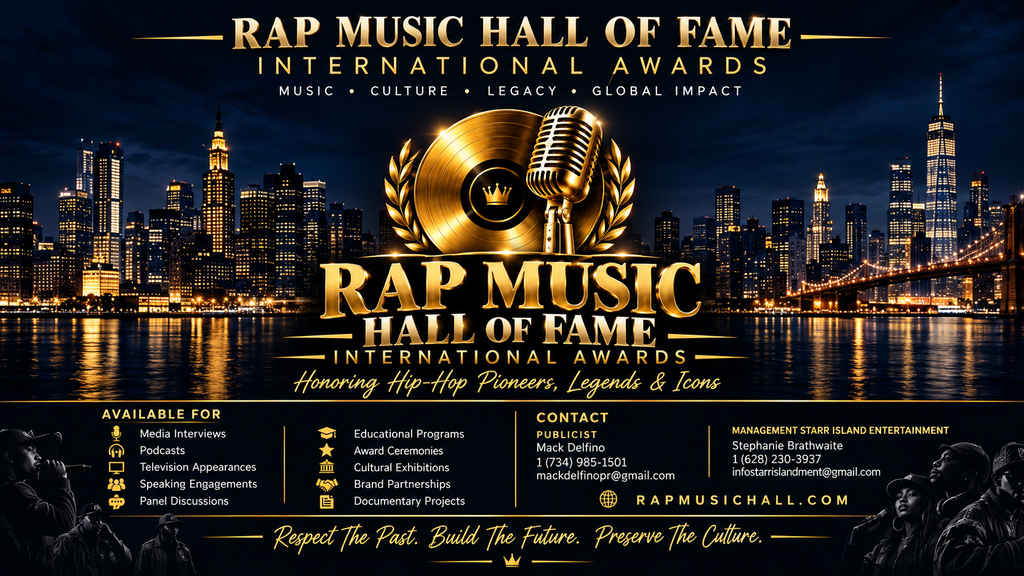
Geechie Dan currently serves as Founder and CEO of Rap Music Hall of Fame International, a role that aligns with his long-standing interest in music history and cultural recognition.
The idea of a rap music hall of fame speaks to the importance of acknowledging the artists, innovators, and contributors who have helped shape the genre. Hip-hop’s development spans generations, from its early community roots to its worldwide influence across music, entertainment, fashion, and popular culture.
Preserving this history requires more than remembering chart-topping records. It also involves recognizing the creative contributions and cultural experiences that helped establish the genre. Collectors, independent artists, DJs, producers, broadcasters, and community figures have all played roles in its development.
Geechie Dan’s experience as a tape collector and his involvement in hip-hop institutions provide a meaningful foundation for his current leadership role. His work reflects an interest in keeping the culture’s history visible and ensuring that its contributions continue to be acknowledged.
As Founder and CEO, he brings together his personal connection to the music and his professional experience in cultural organizations. His journey illustrates how an early passion can develop into a wider commitment to preserving the legacy of an entire musical movement.
In addition to his archival and leadership work, Geechie Dan is a radio host. He hosts Planet of the Tapes on LL Cool J’s Rock the Bells Radio, available on SiriusXM Channel 43.
Radio remains an important platform for music discovery, cultural storytelling, and connections between artists and audiences. For hip-hop in particular, broadcasting has helped introduce listeners to new sounds, revisit influential recordings, and explore the stories behind the music.
The title Planet of the Tapes reflects Geechie Dan’s longstanding association with tape collecting. It also connects his personal passion to a broader audience, bringing the spirit of music collecting and appreciation into a contemporary broadcasting environment.
His involvement with Rock the Bells Radio places his work within a platform dedicated to hip-hop culture. Through radio, his interests in music and preservation intersect with the experience of listeners who want to remain connected to the genre’s roots and continuing evolution.
The combination of broadcasting and archival interests gives his career a distinctive dimension. Rather than focusing on a single aspect of the industry, Geechie Dan’s work connects music, cultural history, and audience engagement.
Hip-hop continues to evolve, introducing new artists, sounds, technologies, and creative approaches. Yet understanding its history remains essential to appreciating how far the culture has come. The experiences of earlier generations provide context for the artists and communities shaping its future.
Geechie Dan’s journey demonstrates the value of maintaining that connection. From collecting cassette tapes in the early 1980s to recording a demo in 1987, hosting a radio program, and holding leadership positions in hip-hop organizations, his career reflects several different ways of engaging with the culture.
His work also highlights the importance of people who preserve music beyond the spotlight. While performers and hit records often receive the most attention, collectors and cultural advocates help retain the recordings, stories, and memories that give a genre its historical depth.
Through Rap Music Hall of Fame International and his broadcasting work, Geechie Dan continues to be associated with the recognition and preservation of rap music history.
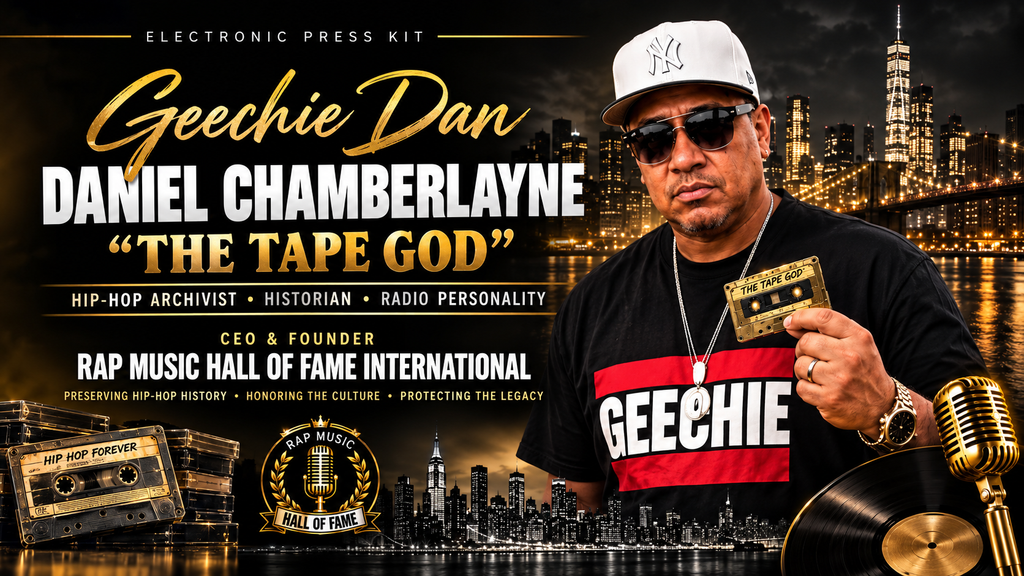
Geechie Dan, the “Tape God,” represents a lifelong connection to hip-hop that began in the neighborhoods of Queens and developed into a career spanning music collecting, recording, radio, and cultural leadership.
His experiences as a collector and aspiring artist, combined with his former roles at the National Hip Hop Museum and the Hip Hop Hall of Fame, have shaped a professional journey centered on the significance of hip-hop history. As Founder and CEO of Rap Music Hall of Fame International and host of Planet of the Tapes on Rock the Bells Radio, he remains connected to the music and its cultural legacy.
His story is a reminder that preserving a musical movement requires dedication from people who value its past as much as its present. By continuing to engage with hip-hop through broadcasting and cultural initiatives, Geechie Dan contributes to the ongoing effort to keep its history recognized, remembered, and accessible to future generations.