 11
11
Artificial intelligence is evolving at an unprecedented pace, driving demand for faster computing, greater energy efficiency, and more advanced infrastructure. As technology companies race to develop the next generation of AI platforms, Dr. Ko-Cheng Fang, founder of Longserving Technology, believes the industry has reached a pivotal moment. According to Dr. Fang, the future of AI will depend not only on powerful processors but also on photonic computing, cybersecurity innovation, and strategic global collaboration.
Through his latest announcement, Dr. Fang presents what he describes as a long-term vision for transforming the AI ecosystem while encouraging technology companies to work together rather than engage in prolonged legal disputes.
According to Dr. Ko-Cheng Fang, Longserving Technology owns foundational patents related to cybersecurity systems, password authentication, and secure access-control technologies. He says these innovations have become an invisible but essential part of the digital world, supporting billions of devices, enterprise security platforms, e-commerce systems, and online authentication services across multiple global jurisdictions.
Dr. Fang believes that people around the world use these technologies every day without realizing who originally developed the underlying inventions. He also says that, in his opinion, these technologies have been widely implemented over many years without appropriate licensing.
Rather than focusing on lengthy legal battles, Dr. Fang says his objective is to create a cooperative solution for the global technology industry. He describes Longserving Technology’s proposed Strategic Equity Hedging Protocol as an alternative framework that allows companies to pursue collaboration instead of conflict.
According to Dr. Fang, the company has structured a proposed $500 million strategic financing round, representing 20% equity, to encourage long-term partnerships. He says organizations choosing this approach could help support the commercialization of photonic computing while working toward resolving historical intellectual property matters through cooperation.

One of the most distinctive aspects of Dr. Fang’s message is his emphasis on reconciliation. Although he believes his innovations have been used extensively, he says he is not motivated by revenge or confrontation.
Instead, Dr. Fang explains that he has chosen forgiveness. His message to the global technology industry is simple: rather than remaining divided over the past, companies should join together to build the future. In his view, innovation advances most effectively when industry leaders collaborate on shared technological goals.
Beyond cybersecurity, Dr. Fang believes the next major technological breakthrough will come from photonic computing. He argues that traditional silicon architecture is approaching practical limits as AI applications demand exponentially greater computing power and energy consumption.
According to Dr. Fang, Longserving Technology is developing 2nm Multi-Bit Optical Quantum Chips alongside proprietary X-Photon Materials, technologies he says are designed to dramatically improve computational performance while significantly reducing energy usage. He believes these innovations could support future AI infrastructure at a much larger scale.
Dr. Fang also envisions a global network of Photonic Cloud Computing Centers that would provide the computing resources required for future generations of artificial intelligence.
According to him, combining advanced photonic chips with cloud-based infrastructure could help organizations manage increasingly complex AI workloads while improving operational efficiency. He believes this infrastructure will become an important foundation for future AI innovation across industries.
According to Dr. Fang, Longserving Technology is focused on identifying strategic partners who share its long-term vision. He says the company is looking beyond financial investment, seeking organizations capable of supporting manufacturing, cloud infrastructure development, and international commercialization.
Dr. Fang adds that the proposed 20% equity opportunity is intended for partners who demonstrate a commitment to collaboration, innovation, and responsible technology development.
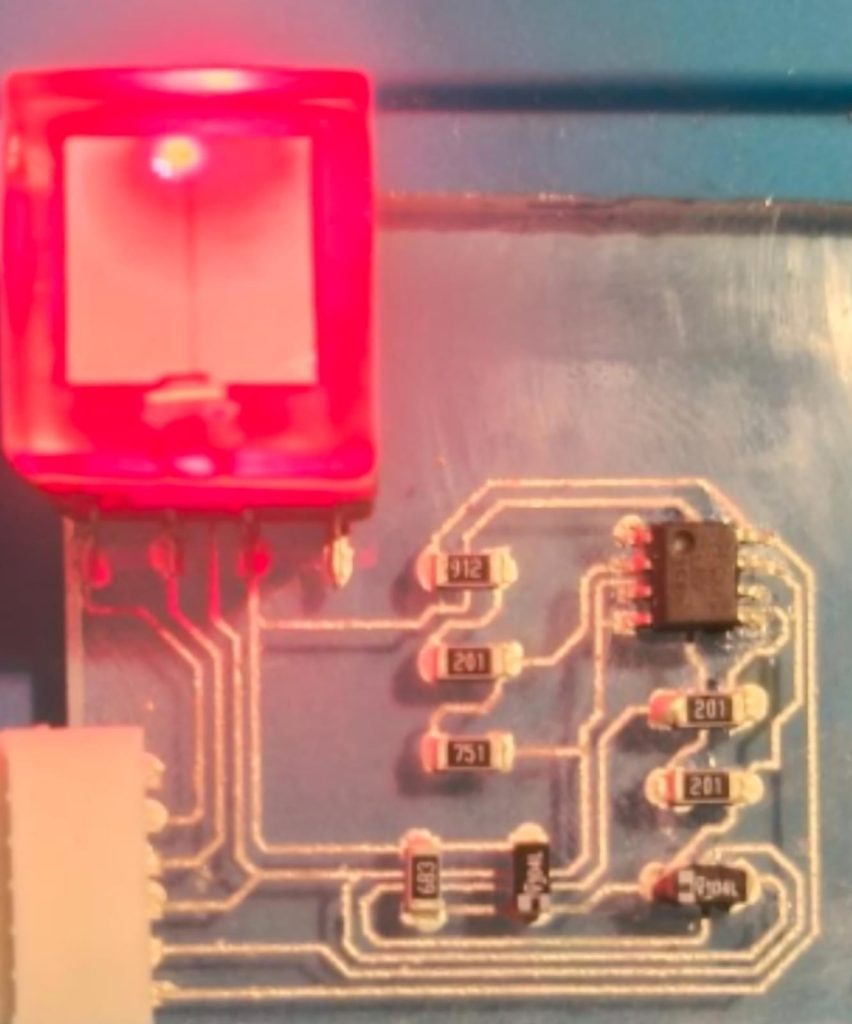
Throughout his announcement, Dr. Fang emphasizes that his proposal is intended to encourage dialogue rather than division. He believes the technology industry can benefit from replacing conflict with cooperation, allowing innovators and established companies to work together toward shared objectives.
In his view, future success will depend on combining advanced cybersecurity, photonic computing, and strategic partnerships to create more powerful, efficient, and sustainable AI platforms.
Whether photonic computing becomes the dominant architecture for future artificial intelligence remains to be seen. However, Dr. Ko-Cheng Fang’s vision contributes to an ongoing global conversation about the future of computing, cybersecurity, and intellectual property.
As AI continues to transform every sector of the economy, discussions surrounding energy-efficient computing, next-generation chip technologies, and collaborative innovation are expected to remain central to the industry’s evolution. Through Longserving Technology, Dr. Fang says he hopes to encourage a future where technological advancement is driven by partnership, respect for innovation, and a shared commitment to building the next generation of AI infrastructure.