 11
11
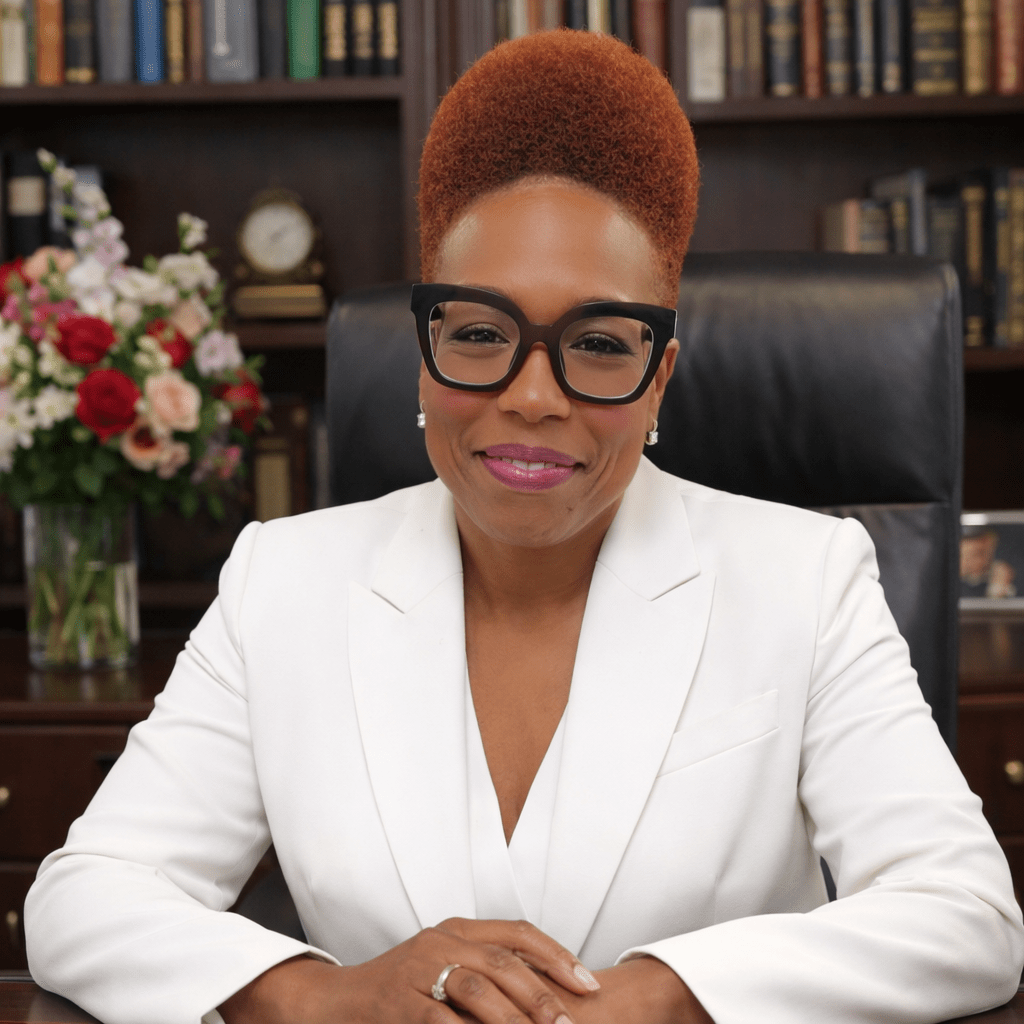
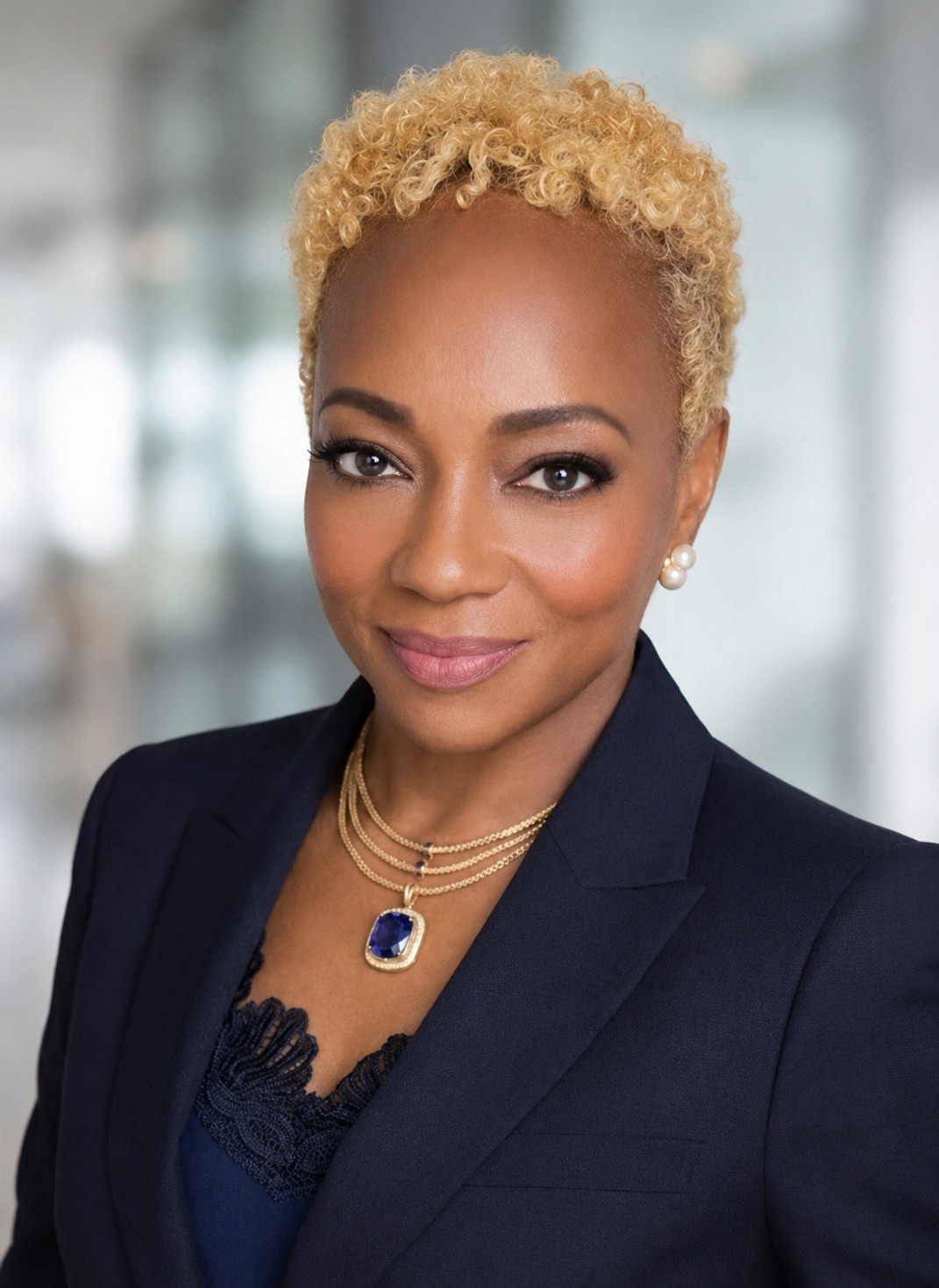
With more than fifteen years of experience in child welfare spanning frontline practice, leadership, administration, policy, and systems reform, Dr. Channing Collins has become a respected voice in family-centered innovation and child welfare transformation. Her work focuses on helping child welfare agencies strengthen safety, permanency, family preservation, and long-term system performance through practical, evidence-informed implementation.
Dr. Channing Collins brings 14 years of child welfare experience spanning frontline practice, supervision, administration, executive leadership, policy development, and systems reform. Her professional career has provided her with a comprehensive understanding of the child welfare continuum, allowing her to bridge direct practice with organizational leadership and statewide systems improvement.
Her academic background reflects the interdisciplinary approach that defines her work. She earned a Bachelor of Arts in Psychology from Indiana University, followed by a Master of Dispute Resolution (MDR) from Pepperdine University in 2021. In 2025, she completed a Doctor of Philosophy (Ph.D.) in Criminal Justice with a specialization in Law and Public Policy, further strengthening her expertise in legal systems, public policy, and child welfare reform.
Dr. Collins is also completing a Master of Legal Studies (MLS) with a concentration in Family and Juvenile Law, with an anticipated graduation in August 2026. This additional legal education complements her practical experience and reinforces her commitment to developing innovative, legally informed, and family-centered approaches to strengthening child welfare systems.
By combining academic scholarship with extensive real-world experience, Dr. Collins has developed a unique perspective that integrates psychology, dispute resolution, law, public policy, and child welfare practice to help agencies improve outcomes for children and families.
Throughout her 15-year career in child welfare, Dr. Channing Collins has served in a variety of frontline, supervisory, administrative, and executive leadership roles, giving her a comprehensive understanding of the child welfare system from direct practice to statewide operations. This breadth of experience has shaped her approach to improving child welfare through practical, sustainable, and evidence-informed reform.
Dr. Collins’ leadership philosophy is grounded in the belief that meaningful systems change requires more than policy alone—it requires effective implementation, cross-system collaboration, and a clear vision for improving outcomes for children and families. Her work emphasizes building stronger partnerships among public agencies, community organizations, courts, and service providers to create coordinated, family-centered solutions.
Today, Dr. Collins continues to advance the field through research, systems design, and implementation initiatives that help organizations translate policy into practice. As the Founder and Lead Architect of The Collins Institute for Child & Family Systems, she develops innovative frameworks and implementation strategies that support agencies in strengthening safety, permanency, family preservation, and long-term system performance.

As the Founder and Lead Architect of the Collins Institute for Child & Family Systems, Dr. Collins created an organization dedicated to strengthening child welfare practices and family support structures.
The institute focuses on developing innovative strategies that help organizations and public agencies improve their effectiveness. Through research, consultation, and implementation support, the institute works toward building systems that better meet the needs of children and families.
The Collins Institute recognizes that successful child welfare outcomes depend on strong systems rather than isolated interventions. Therefore, the organization seeks to identify weaknesses within existing structures and design practical methods for improvement.
Its work involves examining policies, evaluating service delivery processes, and helping organizations implement effective reforms.
One of Dr. Collins’s most significant contributions is the creation of the Elizabeth Ophelia Child & Family Governance Framework. This framework represents an innovative approach to child and family system governance.
The framework aims to establish organized structures that guide decision-making, accountability, and service coordination within child welfare systems. It emphasizes creating stronger relationships among agencies, communities, and families.
A governance framework is important because it provides a clear structure for managing complex systems. By establishing standards and guiding principles, such frameworks help organizations operate more efficiently and consistently.
Dr. Collins designed this framework to support sustainable improvements and ensure that policies and practices remain focused on achieving positive outcomes for children and families.
Dr. Collins also leads efforts through the Family Systems Innovation Lab. This initiative serves as a platform for exploring new ideas and developing solutions for child welfare challenges.
Innovation in child welfare is necessary because social needs and family structures continue to evolve. Traditional approaches may not always address emerging issues effectively. The Family Systems Innovation Lab seeks to identify creative methods and evidence-based strategies that respond to changing circumstances.
Through collaboration with agencies and organizations, the lab promotes experimentation, learning, and continuous improvement. It creates opportunities to test innovative ideas before implementing them on a larger scale.

At the center of Dr. Collins’s work is a clear and meaningful mission: improving outcomes for children and families through practical and evidence-informed solutions.
Her vision goes beyond short-term interventions. Instead, she focuses on creating long-lasting systemic changes that can continue benefiting communities for years to come. Sustainable reform requires strong leadership, effective policies, and ongoing collaboration among stakeholders.
Dr. Collins believes that child welfare systems should empower families while ensuring the safety and well-being of children. Through her work, she strives to create environments where children have greater opportunities to thrive.
Dr. Channing Collins has established herself as a dedicated leader and innovator in child welfare and family systems reform. Through her educational achievements, leadership experience, and commitment to evidence-based practices, she continues to influence positive change within child welfare systems.
Her work through the Collins Institute for Child & Family Systems, the Family Systems Innovation Lab, and the Elizabeth Ophelia Child & Family Governance Framework reflects a strong commitment to improving lives. By focusing on practical solutions and sustainable reforms, Dr. Collins contributes to building stronger systems that support children and families and create a better future for communities worldwide.